
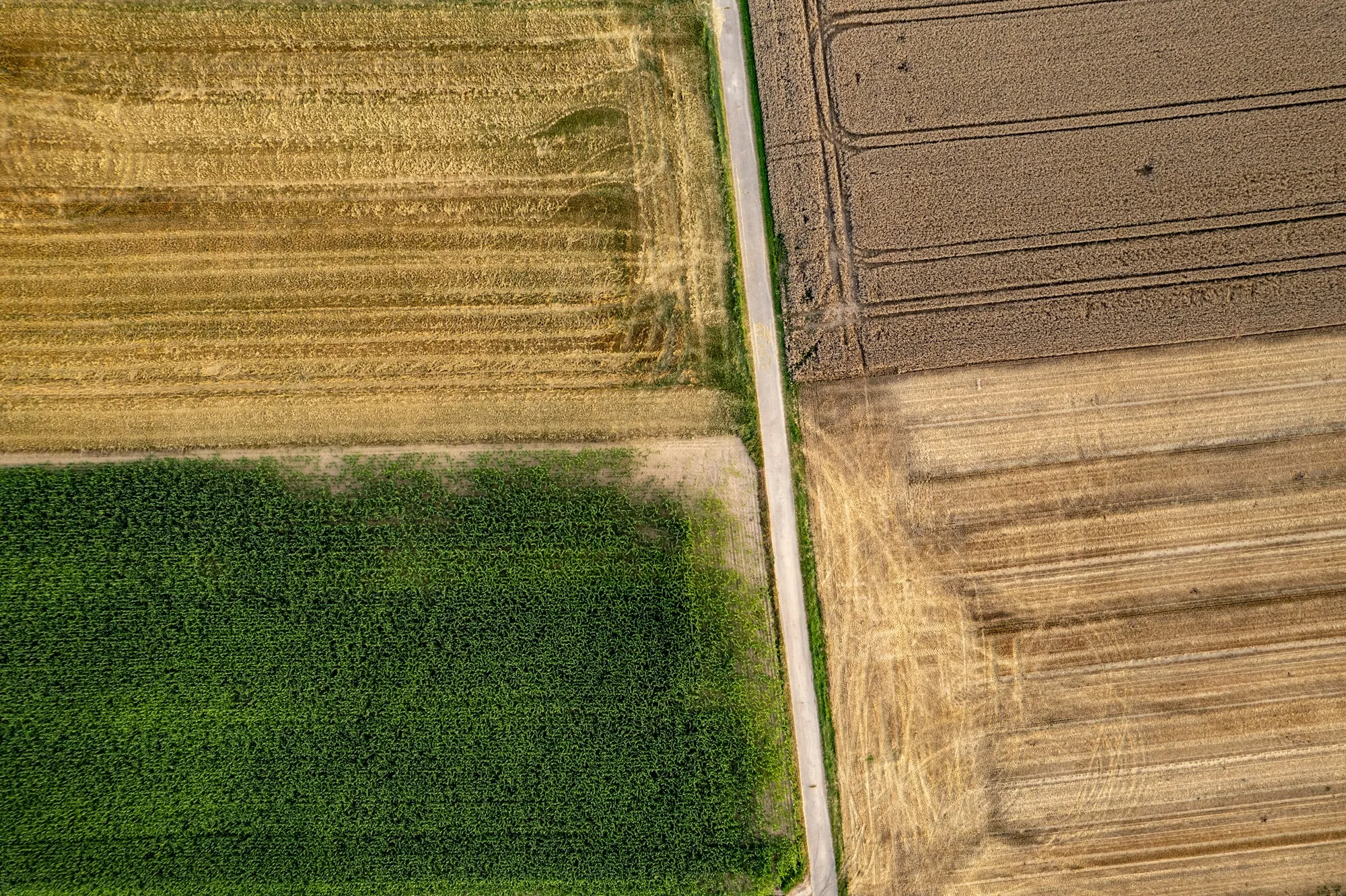
Farm, orchard and ranch
Agricultural Real Estate in Shafter, CA
Buying or selling farm ground with the water, the wells and the paperwork checked before the price is set.
With Farm Ground, the Water Comes First
Two parcels can sit side by side and be worth very different amounts. The reason is usually water. Real Estate Agent Shafter works with buyers and sellers of farmland, orchards, ranches and rural acreage across this part of the valley, where almonds, pistachios, citrus, grapes and row crops all share the same ground and the same questions. Where does the water come from? Is the parcel inside an irrigation or water district, and what does its supply look like? How deep are the wells, how old are the pumps and what do they produce? Local groundwater sustainability plans can affect future pumping, so that belongs in the picture too. Then come zoning, legal access, easements, crop history and whether the land is under a Williamson Act contract, which keeps it in agricultural use in exchange for lower property tax assessments and carries real limits if the next owner has other plans. Sellers who gather these answers before listing tend to price with more confidence and field fewer surprises. Buyers who check them during the contingency period avoid paying orchard prices for ground that cannot support an orchard.
Farm and Ranch Due Diligence We Cover
Every parcel is different, but these are the questions we work through on nearly every agricultural deal.
Water source and supply
District service, surface water and groundwater reviewed so you know what the land can count on.
Wells and pumps
Well depth, condition, pump tests and records gathered so buyers are not guessing about production.
Groundwater rules
A general look at how the local groundwater sustainability plan may affect pumping on the parcel.
Zoning and permitted use
Confirming what the county zoning allows, including homes, shops and other structures on the land.
Williamson Act status
Whether a contract is in place, what it restricts and how nonrenewal works if plans change.
Access and easements
Legal access, canal and utility easements and any shared roads checked on the title report.
Crops and improvements
Orchard age, planting history, irrigation systems and outbuildings factored into price.
Comparable farm sales
Recent sales of similar ground, matched on water, crop and acreage rather than location alone.
How a Farm or Ranch Sale Works
Talk through the land
We start with the parcel itself: acreage, crops, water, wells and any contracts. For buyers, we also talk about what you plan to grow or build, because that decides which questions matter most.
Gather the facts and price it
Water records, well information, zoning and title details come together with comparable farm sales. Sellers get a price that reflects what the ground can really do. Buyers get a clear view before writing an offer.
Verify, negotiate and close
Contingency periods are set long enough for real due diligence on water and wells. We track every deadline, negotiate on what the inspections find and stay with you through closing.
- Water reviewed
- Wells documented
- Zoning checked
- Contracts explained
Selling Ground or Shopping for Acreage?
Tell us about the parcel, the water and what you want to do. We will walk through the due diligence and a realistic price on the first call.